
Cooking fresh pasta is an absolute delight for food enthusiasts, no matter their food budget. The texture, taste, and aroma of homemade pasta are unmatched. However, unlike dried pasta, fresh pasta requires careful attention and precision when it comes to cooking time. Achieving that perfect al dente texture can be a bit tricky if you’re unsure about the optimal cooking time. In this article, we will explore the factors influencing cooking time for fresh pasta and provide you with a comprehensive guide to ensure your homemade pasta is cooked to perfection every time. Let’s see how long to cook fresh pasta for.
Understanding Fresh Pasta
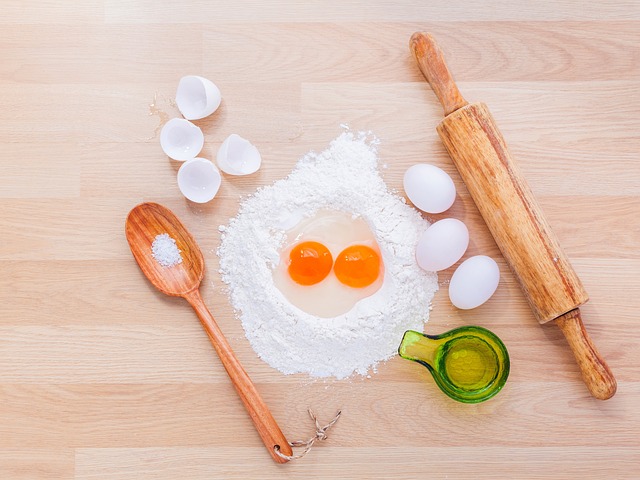
Fresh pasta is a culinary treasure made from simple ingredients like flour, eggs, and sometimes water. Unlike dried pasta, it has a shorter shelf life and offers a unique, tender texture. The cooking time for fresh pasta depends on its thickness, shape, and the ingredients used. Thinner pasta strands like angel hair or linguine cook faster than thicker ones like fettuccine or pappardelle. Additionally, pasta shapes with ridges or cavities tend to cook slightly faster than smooth ones. While cooking times may vary, the key is to achieve that delicate balance between a firm bite and a soft, cooked centre, commonly known as al dente.
You might like this article on how to make your pasta healthier.
Factors Influencing Cooking Time when it comes to knowing how long to cook fresh pasta
Several factors influence the cooking time of fresh pasta:
- Thickness: Thicker pasta requires more time to cook, while thinner pasta cooks faster.
- Ingredients: Egg-based pasta generally takes longer to cook compared to pasta made with only flour and water.
- Shape: Different pasta shapes have varying cooking times. Tube-shaped pastas like penne or rigatoni may take longer than flat shapes like tagliatelle or lasagna.
- Freshness: Fresher pasta may cook faster than pasta that has been stored for a while. However, the difference in cooking time is usually minimal.
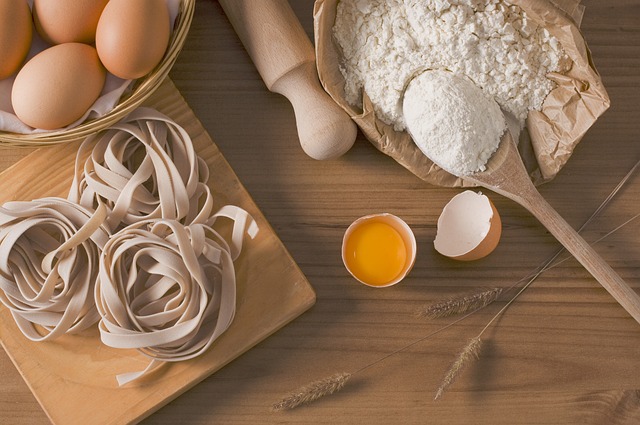
Cooking Fresh Pasta: Step-by-Step Guide
To achieve perfectly cooked fresh pasta, follow these steps:
- Boil water: Fill a large pot with water and bring it to a rolling boil. Add salt to enhance the pasta’s flavor.
- Prepare the pasta: While the water is boiling, prepare your fresh pasta dough or use store-bought fresh pasta. Ensure that the pasta is evenly shaped and not sticking together.
- Cooking time: Once the water reaches a rolling boil, gently add the fresh pasta. Stir it gently to prevent sticking, and cook according to the instructions or guidelines provided with your pasta recipe. As a general rule, fresh pasta usually cooks within 1-3 minutes. However, it’s crucial to frequently check for doneness to avoid overcooking.
- Test for doneness: Retrieve a strand or piece of pasta using a fork or tongs and take a bite. The pasta should be firm to the bite, yet tender. It should have a slight resistance in the center without being raw. If the pasta is too firm, cook it for another 30 seconds and test again.
- Drain and serve: Once the pasta is cooked to perfection, immediately drain it using a colander or slotted spoon. Toss it gently with your desired sauce or serve it as a base for your favorite pasta dishes.
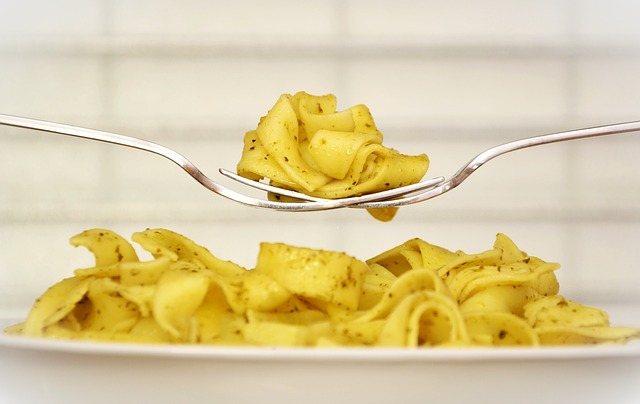
Cooking fresh pasta requires precision and a keen eye for achieving the perfect texture. By considering factors such as thickness, ingredients, shape, and freshness, you can determine the ideal cooking time for your fresh pasta. Remember, al dente is the goal—a delicate balance between firmness and tenderness. Experiment with different cooking times to find your preferred level of doneness for your fresh pasta, and don’t forget to pair with a simple garlic bread.