
Cooking frozen peas is a quick and convenient way to add a burst of vibrant green color and nutrition to any meal. These petite little gems are not only delicious but also packed with essential vitamins, minerals, and dietary fiber. Whether you’re a seasoned cook or a novice in the kitchen, this guide will equip you with simple yet effective techniques to elevate frozen peas from a humble freezer staple to a star ingredient in your culinary repertoire.

The benefits of eating frozen peas
Frozen peas offer numerous health benefits, making them a nutritious addition to your diet. Here are some of the key benefits of eating frozen peas:
High in Nutrients: Frozen peas are rich in essential vitamins and minerals. They are particularly abundant in vitamin K, which is crucial for blood clotting and bone health, as well as vitamin C, which supports immune function and collagen production. Peas also contain vitamin A, B vitamins (such as folate and thiamine), iron, potassium, and manganese.
Excellent Source of Dietary Fiber: Fiber is important for maintaining a healthy digestive system and promoting regular bowel movements. Frozen peas provide a good amount of dietary fiber, which can aid in digestion, prevent constipation, and contribute to a feeling of fullness, thus supporting healthy weight management.

Antioxidant Properties: Peas are packed with antioxidants that help protect your cells from damage caused by harmful molecules called free radicals. The antioxidants in peas, such as flavonoids and carotenoids, have been associated with a reduced risk of chronic diseases, including heart disease and certain types of cancer.
Low in Calories and Fat: If you’re watching your calorie intake, frozen peas are a great choice. They are low in calories and fat while providing a good amount of nutrients, making them a satisfying and healthy option for weight-conscious individuals.
Blood Sugar Regulation: The fiber content in frozen peas helps slow down the absorption of sugars into the bloodstream, preventing spikes in blood sugar levels. This makes peas a suitable food for individuals with diabetes or those looking to manage their blood sugar levels.

Promote Heart Health: Peas are naturally low in sodium and contain heart-healthy nutrients such as potassium, which helps maintain healthy blood pressure levels. Additionally, the presence of dietary fiber and antioxidants in peas may contribute to reduced cholesterol levels and a decreased risk of heart disease.
Support Eye Health: The carotenoids found in peas, such as lutein and zeaxanthin, are beneficial for eye health. These compounds help protect the eyes against age-related macular degeneration and cataracts, promoting optimal vision and eye function.
Versatile and Convenient: Frozen peas are readily available year-round, and their convenience cannot be overstated. They require minimal preparation and can be easily incorporated into a variety of dishes, such as soups, stews, salads, stir-fries, pasta, and rice dishes, adding vibrant color and a fresh taste.
Selecting the Perfect Bag of Frozen Peas
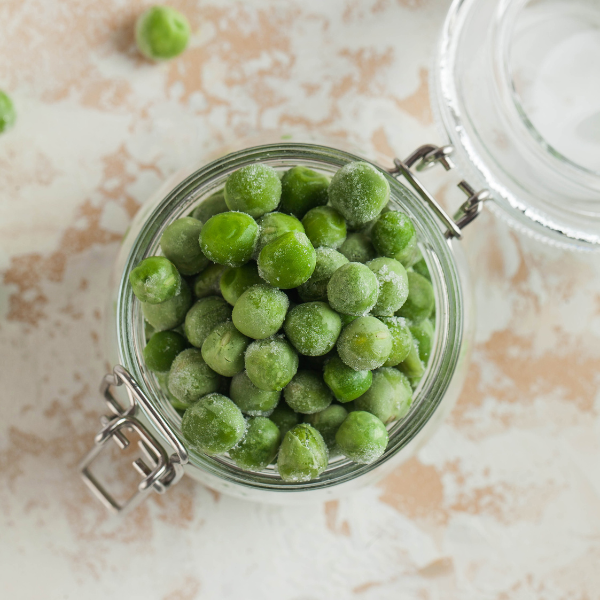
When purchasing frozen peas, opt for brands that flash-freeze them to retain maximum freshness and nutritional value. Check the package for any signs of damage or freezer burn, and ensure that the peas are still separate and not clumped together. Choose organic frozen peas whenever possible to minimize exposure to pesticides.
Thawing Methods
While it’s not mandatory to thaw frozen peas before cooking, doing so can reduce their cooking time and improve the overall texture. There are three easy ways to thaw frozen peas: a. Refrigerator Method: Transfer the frozen peas from the freezer to the refrigerator and allow them to thaw overnight or for a few hours until they become soft. b. Cold Water Method: Place the frozen peas in a sealed plastic bag and submerge them in cold water for approximately 30 minutes. Make sure to change the water every 10 minutes to maintain a consistent temperature. c. Microwave Method: Use the defrost setting on your microwave to thaw the frozen peas. Follow the manufacturer’s instructions for the appropriate time and power level.

How to cook frozen peas: boiling
Boiling is the most common and versatile method for cooking frozen peas.
Here’s how to do it:
Place a saucepan on medium heat and add a small amount of water, vegetable broth, or olive oil.
Once the liquid starts to simmer, add the thawed or unthawed frozen peas to the pan.
Cook the peas for 3-5 minutes, stirring occasionally, until they become tender and bright green.
Season with salt, pepper, herbs, or a squeeze of lemon juice to enhance the flavor.
Steam Cooking
Steaming is an excellent method to retain the vibrant color, texture, and nutrients of frozen peas. Follow these steps to steam your peas:
Fill a pot with about an inch of water and place a steamer basket or a sieve on top.
Bring the water to a boil over medium-high heat.
Add the frozen peas to the steamer basket and cover the pot with a lid.
Steam the peas for 4-6 minutes until they are tender yet slightly crisp.
Remove from heat and season with your preferred spices or a pat of butter.
Sautéing Frozen Peas
Sautéing frozen peas adds a delightful twist to their flavor and texture. Here’s how to sauté them to perfection:
Heat a tablespoon of oil or butter in a skillet over medium heat.
Add the frozen peas to the skillet and stir-fry for 4-6 minutes until they are heated through and slightly caramelized.
Season with salt, pepper, garlic, or your favorite herbs and spices.
Learning how to cook frozen peas doesn’t have to be a daunting task. With these simple techniques, you can elevate frozen peas from a side dish to a star ingredient in your culinary creations. Whether you choose to boil, steam, or sauté them, the key is to ensure they retain their vibrant color and crisp texture. So, the next time you reach for that bag of frozen peas, unleash your creativity.