
In today’s world, balancing a healthy diet with a stringent budget can be challenging.
Groceries form a significant part of monthly expenses, and with rising food prices, it’s vital to find ways to stretch your dollar without compromising on nutrition.
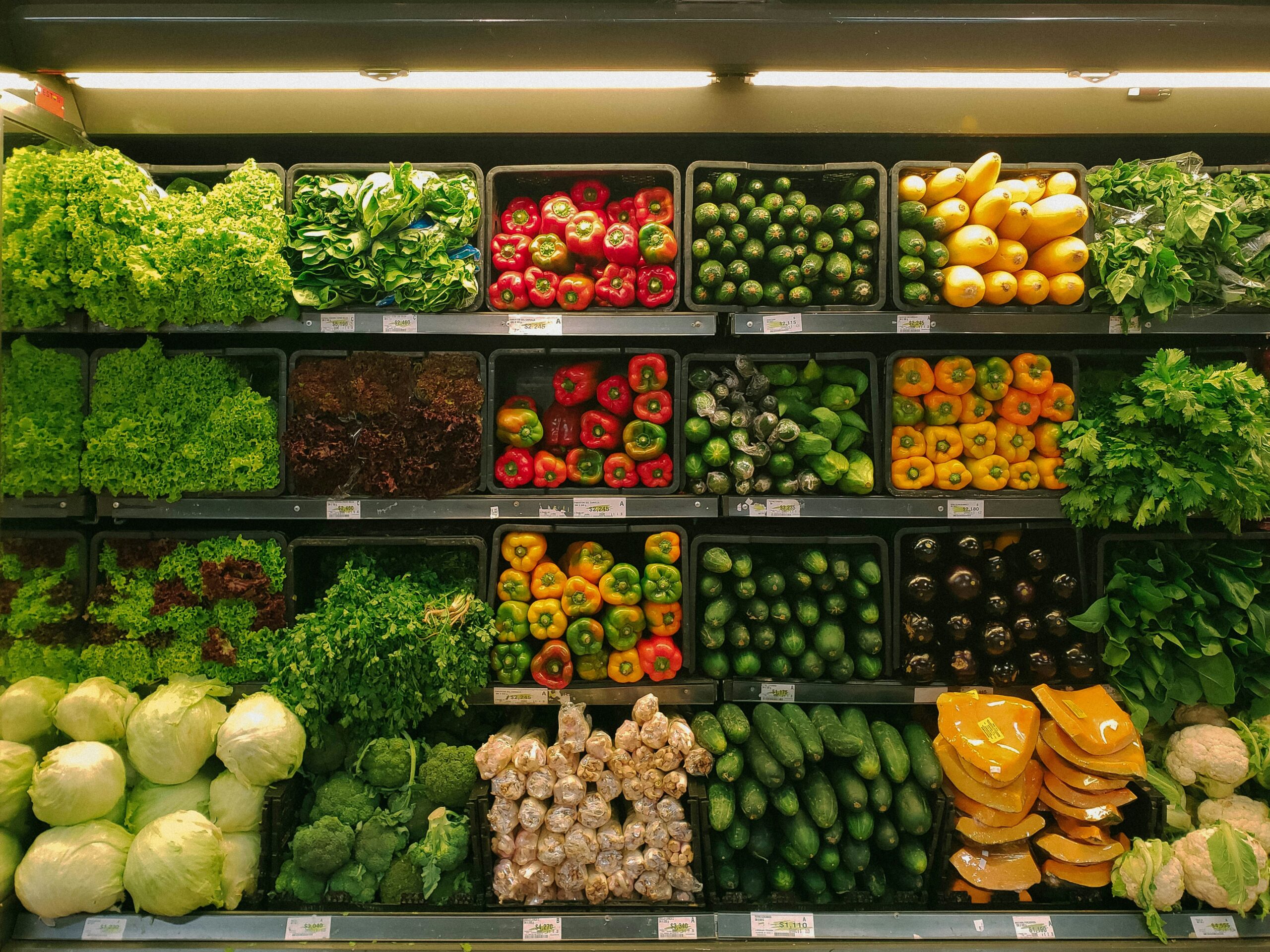
Planning meals around seasonal produce and mastering the art of grocery shopping, smart strategies can help you maintain both your financial health and physical well-being.
With these hacks, you can make smart, health-conscious choices that are also budget-friendly.
Online Payments: Smart Strategies for Secure Grocery Shopping
In the digital shopping age, securing online transactions is paramount, especially when managing your grocery budget.
Using secure payment methods ensures the safety of your financial data and aids in budget management by preventing fraudulent charges that could disrupt your financial planning.
Making Secure Online Payments
For grocery shoppers, utilizing secure online payment options is crucial. Opt for services that offer advanced encryption standards.
This includes looking for payment gatefacts with SSL (Secure Socket Layer) certification, which encrypts data transmitted between your device and the server, ensuring that sensitive information like credit card numbers is securely handled.
It’s also beneficial to use payment options that require multi-factor authentication, adding an extra layer of security.
For an in-depth exploration of secure online payment practices, especially tailored for online grocery shopping, refer to the detailed guide provided by AlliedPay on their blog: Secure Online Payments.

Regularly Update Payment Security Settings
Keeping your payment security settings updated is of the utmost importance.
Regular updates help protect against the latest threats and ensure compatibility with new security technologies.
This may include updating passwords regularly, enabling notifications for transactions, and using anti-virus software that offers internet security features.
Use Trusted Payment Gateways
Always choose well-established and trusted payment gateways when shopping online.
Trusted gateways are more likely to adhere to stringent security protocols and are generally backed by robust customer support to resolve any issues swiftly.
This not only helps in keeping your transactions secure but also ensures that your shopping experience is smooth.
Healthy Shopping Hacks: Stretching Your Budget Without Compromising on Nutrition
Effective grocery shopping isn’t just about making a list; it’s about making the right choices that benefit both your wallet and your wellness.
Embracing strategies like buying in bulk, choosing seasonal and local produce, and utilizing store loyalty programs can significantly reduce your grocery bills while maintaining a healthy diet.
Opt for Seasonal and Local Produce
Seasonal fruits and vegetables not only cost less, they’re also at their nutritional peak.
This approach not only supports local farmers but ensures you’re getting fresher, tastier, and more nutritious produce.
Local markets often offer unique varieties not found in regular stores, allowing for a more diverse diet.
Bulk Buying and Store Brands
Purchasing staples like grains, beans, and dried spices in bulk can lead to substantial savings.
Opting for store or generic brands over well-known brands can significantly cut costs without sacrificing quality.
Many store brands offer comparable quality at a fraction of the price, particularly for basic ingredients where the difference in quality is negligible.
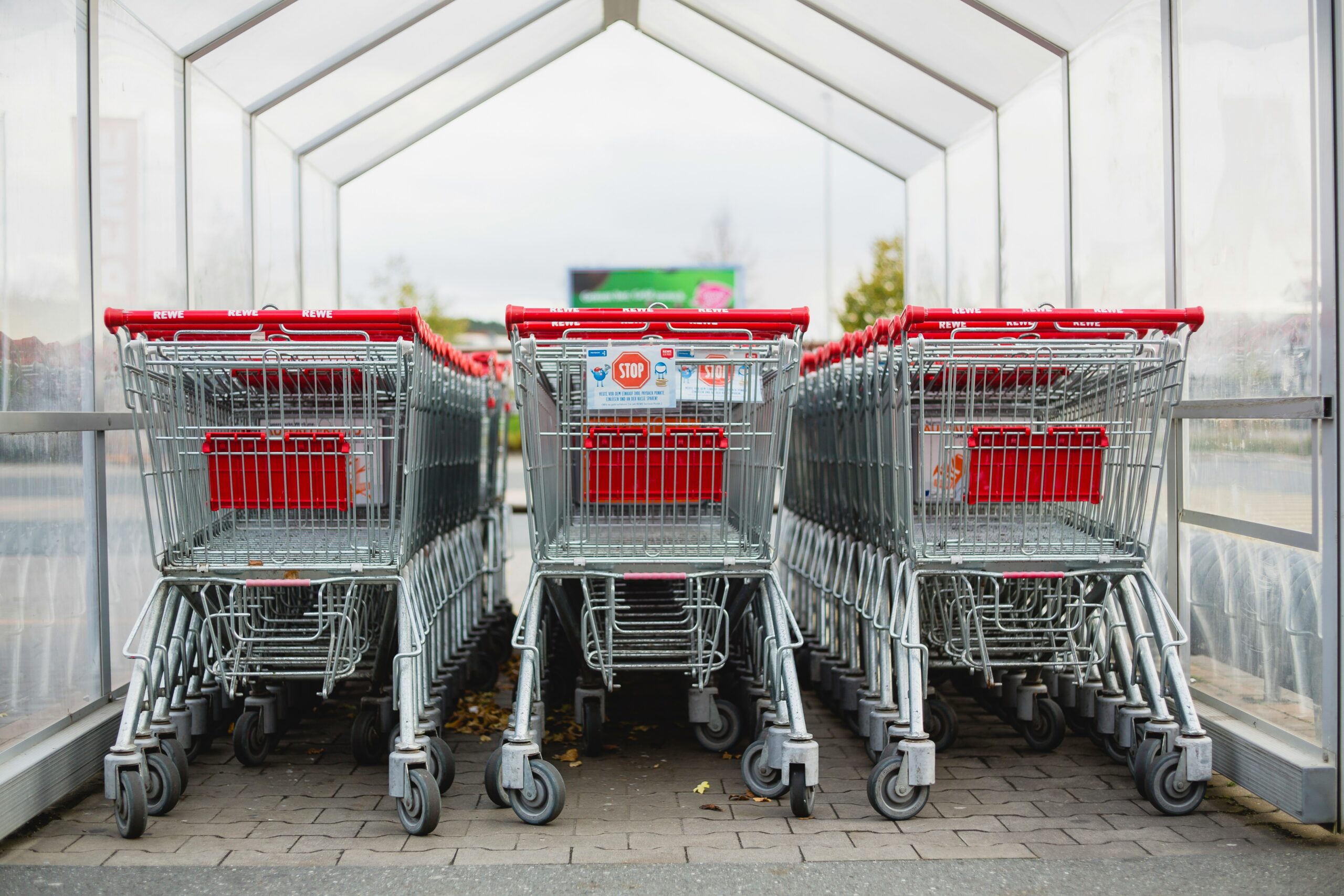
Photo by Markus Spiske on Unsplash
Embrace Technology and Loyalty Programs
Many grocery stores now offer digital loyalty programs that allow you to access special discounts and coupons directly on your phone, making it easier to save without having to clip physical coupons.
Apps can also help compare prices and manage shopping lists, ensuring you buy only what you need and at the best price available.
Global Perspectives on Grocery Budgets: Insights and Trends
The percentage of household income spent on groceries varies significantly across the globe, influenced by economic stability, agricultural productivity, and cultural norms.
In developed countries like the United States and Switzerland, households spend a relatively low percentage of their income on food—6.4% and 8.7% respectively.
This is contrasted sharply by countries like Nigeria and Kenya, where families may spend more than 40% of their income on food due to lower average incomes and higher relative food costs.
Economic Influences on Grocery Spending
Economic development plays a paramount role in shaping how much households allocate to food.
Wealthier nations often benefit from more efficient food production and distribution systems, which helps keep food costs lower relative to income.
In many developing countries, limited access to technology and infrastructure can inflate the proportion of income spent on food, highlighting a significant economic disparity.
The Impact of Global Events on Food Prices
Recent global events have underscored the vulnerability of food prices to external shocks.
The COVID-19 pandemic and geopolitical tensions, such as the conflict between Ukraine and Russia, have disrupted supply chains and affected global food prices.
These disruptions have led to spikes in food costs in many regions, exacerbating food security concerns, especially in countries heavily dependent on food imports.
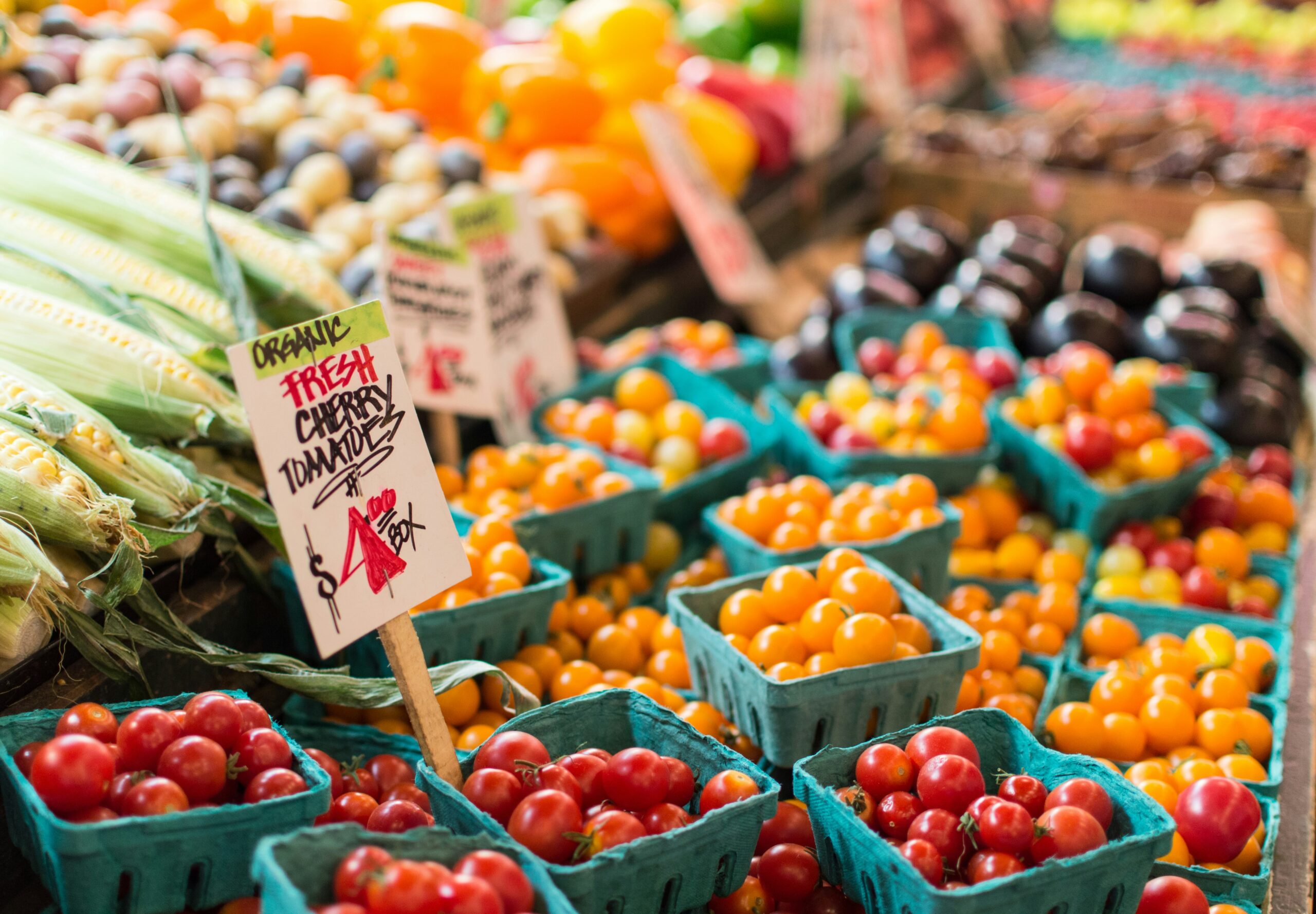
Photo by Anne Preble on Unsplash
Trends in Grocery Shopping and Consumption
The rise of e-commerce in grocery shopping is reshaping consumer behavior worldwide.
In North America, for instance, there has been a significant shift towards online grocery shopping, which is expected to capture a larger market share in the coming years.
This trend is paralleled in parts of Europe and Asia, although the adoption rates and consumer preferences can vary greatly.
In Asia, for example, rapid delivery services dominate the market, reflecting a strong consumer preference for convenience.
Endnote
As technology continues to evolve, future grocery shopping experiences may see an integration of augmented reality to help consumers make healthier and more budget-friendly choices instantly.
The globalization of food trends and diets could further influence grocery budgets and choices, presenting new opportunities for savings and nutritional innovations worldwide.